
What Should a Well-Trained Dog Be Able to Do?
What does it actually mean for a dog to be well trained?
It's less about how many commands and tricks your dog knows and more about what you're able to do with them in everyday life.
A dog can know sit, down, stay, shake, place, heel, and a dozen other behaviors and still be difficult to live with. They can perform beautifully in your living room and completely fall apart when you take them somewhere new.
A well-trained dog is different. You can trust them. You can give them more freedom. You can take them more places. And you don't have to spend your entire life micromanaging their behavior.
You Can Trust Your Dog Without Constantly Micromanaging Them
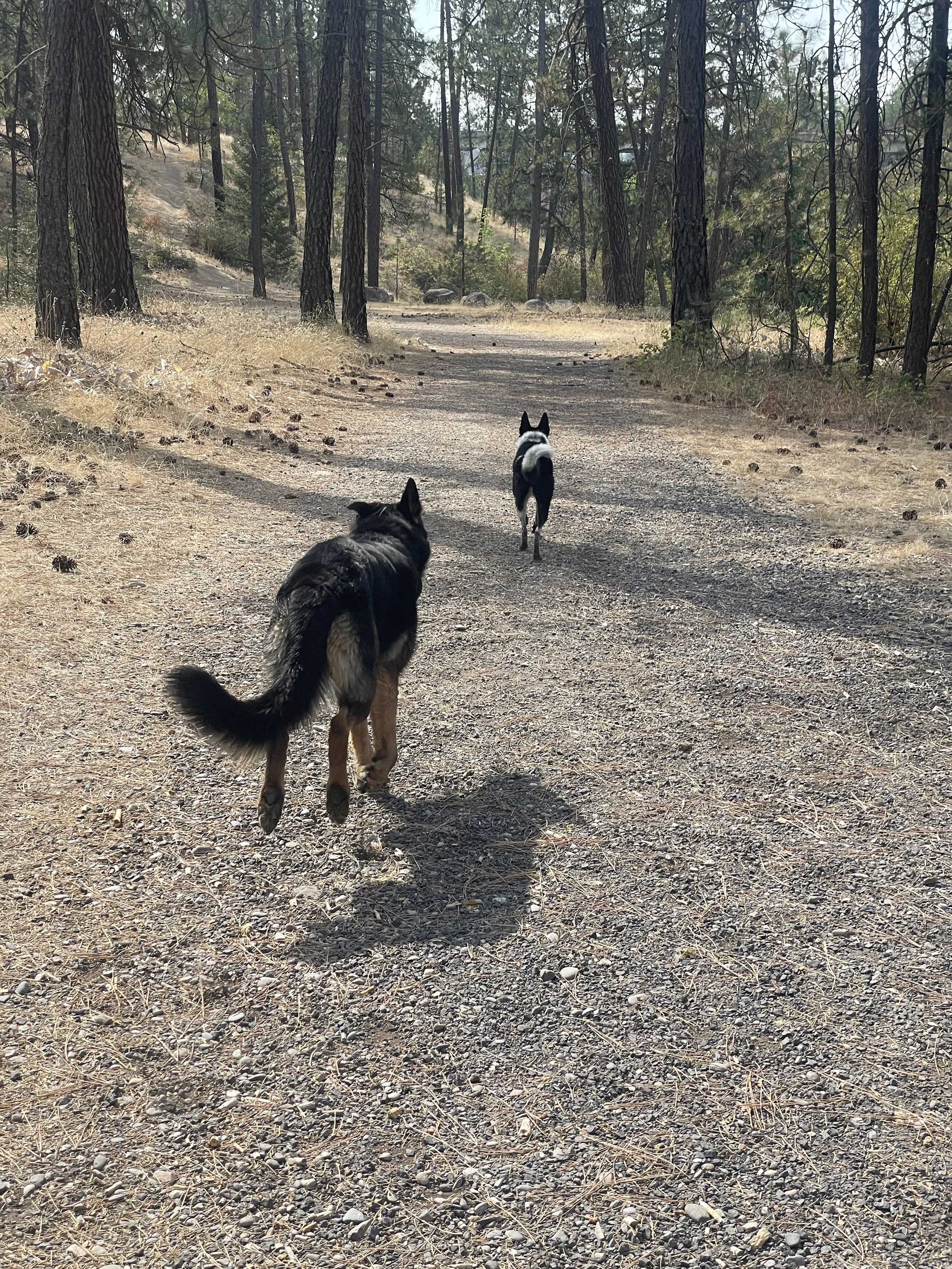
One of the biggest signs that a dog is actually trained is that you don't have to constantly watch for problems, anticipate every distraction, interrupt every interaction, or control every movement.
Your dog doesn't need to be constantly in command. Even with freedom, they know how to behave appropriately.
That means you can let your dog walk around the house without worrying about what they're getting into. They don’t have to spend the day in ‘place.’ You can take them somewhere new without keeping them in ‘heel’ or spending the entire time scanning the environment for the next thing that might trigger a problem. You can give them freedom without having to immediately take it away when something interesting appears.
This is an important distinction between a dog who is trained and a dog who is simply managed.
Management can prevent a dog from making a bad choice. Training teaches the dog how to behave when you aren't standing over them making every decision for them.
Listen When They Don't Want To
A well-trained dog needs to listen even when they would rather do something else.
That's the foundation of trust.
If your dog comes running every time you call when they're already planning to come to you, that's great. But what happens when there's a squirrel? Another dog? Food on the ground? An interesting smell? Something they really want to investigate?
That's when training matters.
Your dog doesn't have to agree with your decision. They don't have to think your request is more interesting than whatever they've found. They need to be able to respond anyway.
Reliable training isn't just about getting a behavior when the dog is happy to cooperate. It's about being able to communicate with your dog when they have a competing motivation.
Handle Real-Life Environments
Training needs to work outside your house.
A dog who listens beautifully in the living room but falls apart at the park isn't reliably trained in the environments where you actually need them to behave.
Real life is full of distractions and unexpected situations: busy parks, narrow sidewalks and trails, unfamiliar places, other dogs, new people, wildlife, interesting smells, bikes, noises, and all the other things your dog encounters when you leave home.
Your dog needs to be able to function in those environments without you constantly fighting with them.
Training isn't finished when your dog can perform a behavior in a controlled environment. The behavior needs to hold up in the real world or it’s pointless.
Walk Nicely on Leash Without Dragging You Around
Your dog doesn't need to perform a perfect competition heel on every walk, but they shouldn't be dragging you down the sidewalk, pulling you toward every interesting smell, or lunging with all their might every time they see a dog or squirrel.
Good leash manners make everyday life easier. You should be able to take your dog for a walk without feeling like you're being taken for one.
Be Groomed and Handled by You Without Issue
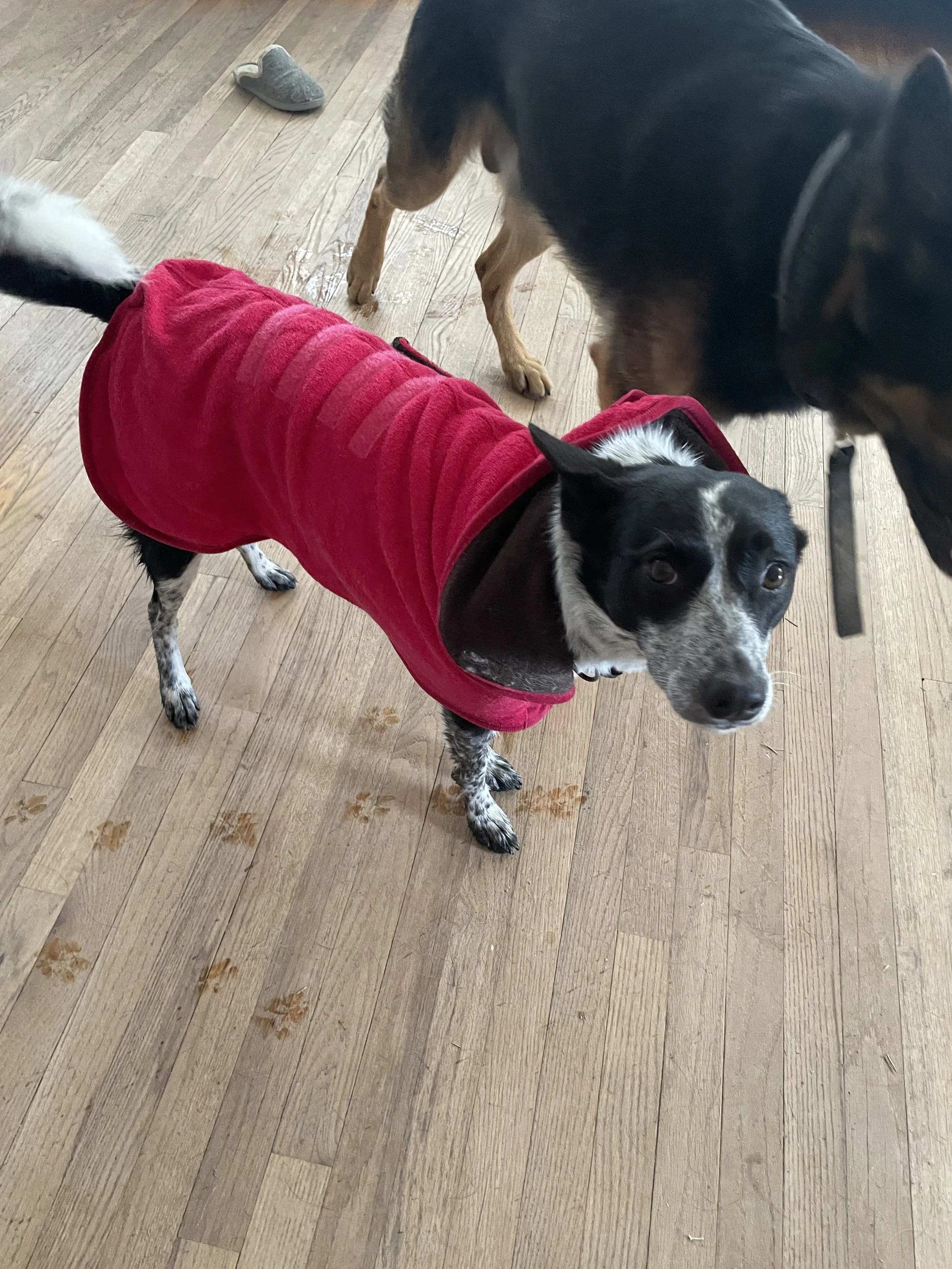
Olive after a bath.
You should be able to cut your dog's nails, brush them, bathe them, clean their ears, remove a tick, or pull a bur out of their coat without your dog deciding that you aren't allowed to touch them.
If you can't do basic necessary handling without your dog getting growly or snappy or constantly yanking away, you have a problem with your training and your relationship with your dog.
And no, you shouldn't have to distract your dog with peanut butter smeared on your head, drug them up, or hang them in a harness from the ceiling just to accomplish basic grooming.
Your dog doesn't have to enjoy every part of being handled, but they need to be able to cooperate with you.
Tolerate Things They Don't Like
Your dog doesn't have to love everything, but they do need to tolerate things they dislike without aggression or having a tantrum.
Maybe a new person wants to pet them. Maybe another dog approaches them. Maybe they need to have their feet handled. Maybe they need to go to the vet. Maybe something uncomfortable or unfamiliar happens that they weren't expecting.
Life isn't going to accommodate your dog's preferences every moment of every day. A well-trained dog can experience something they don't particularly like and still behave appropriately.
Be Able to Be Off Leash Safely
Off-leash freedom is one of the biggest tests of real-world training.
Letting your dog run around an empty field because you've made sure there aren't any distractions isn't the same thing as having a dog who is reliably trained off leash.
A dog who is safely off leash is under your control even when something more interesting appears.
They come when you call.
Not just when they're already headed your way. Not just when there are no other dogs around. Not just when you've spotted the distraction first and called them before they noticed it.
They come even when they’ve spotted another dog, another person, a squirrel, or a running deer. They come even when they’ve found an incredible scent trail they want to follow.
That's what makes off-leash freedom possible. Your dog has enough reliability that you can trust them when the environment gets challening.
Have Good Off-Leash Manners
Recall isn't the only requirement for an off-leash dog.
Your dog also needs manners.
If your dog spots a person or another dog and immediately runs over to greet them, that's not good off-leash behavior. It's rude, and depending on the person or dog, it can also be frightening or dangerous.
My dogs know that seeing a person or dog doesn't mean they should go say hello. They ignore people and other dogs unless I give them permission to approach.
That's part of what makes freedom possible. A dog who can run free without becoming a nuisance is a much easier dog to trust with that freedom.
Behave Appropriately Around New Dogs
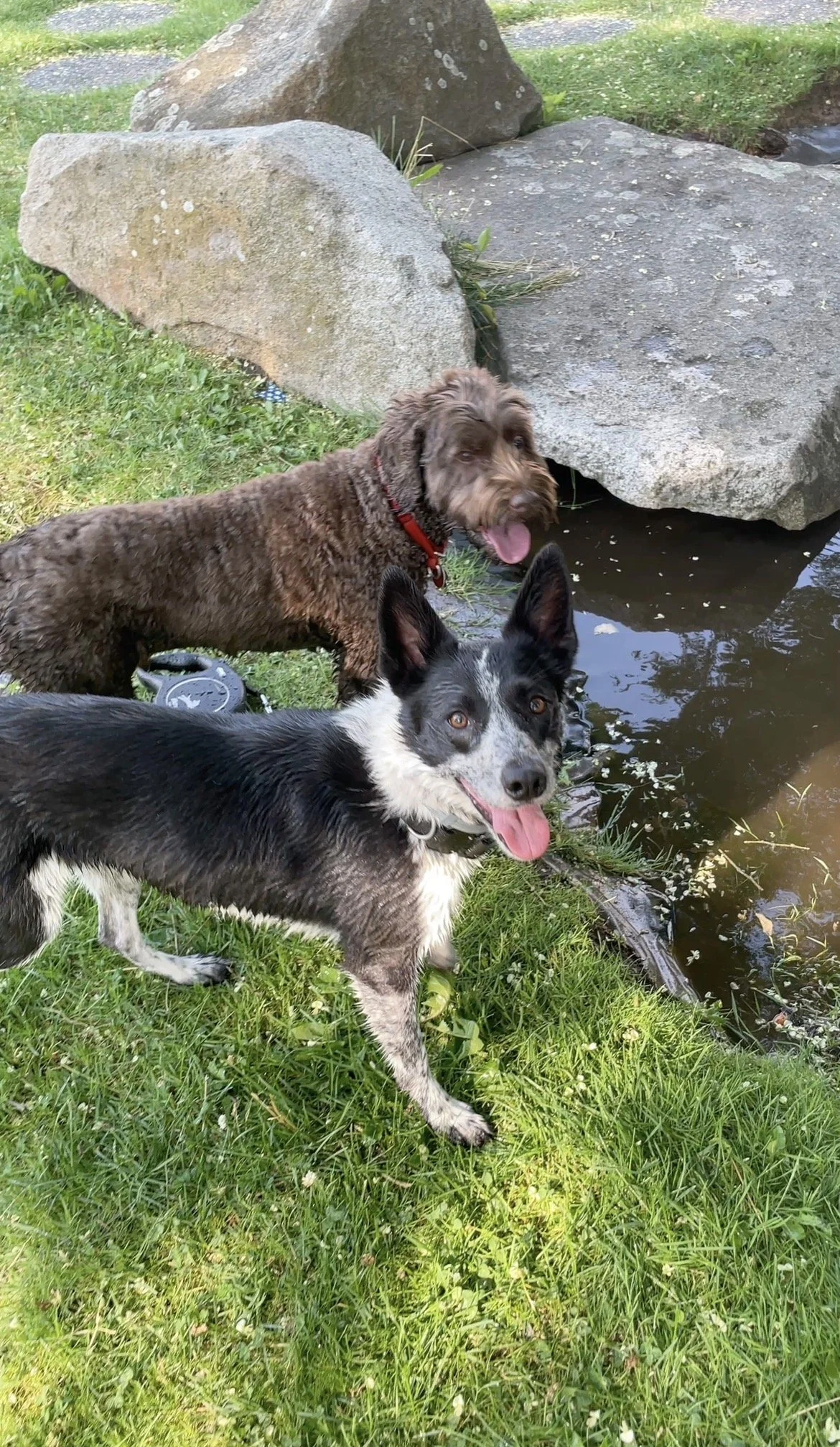
Dogs don't need to greet every dog they see.
A well-trained dog should be able to encounter unfamiliar dogs without automatically charging over to introduce themselves. They should be able to respect another dog's boundaries, accept when another dog doesn't want to interact, and avoid becoming a pest.
They also need to be able to behave appropriately when another dog approaches them.
That doesn't mean your dog has to love every other dog. It means they need appropriate social skills and the ability to handle an interaction without becoming aggressive, overwhelming the other dog, or creating unnecessary conflict.
Like I tell my dogs, “You don’t have to like them, but you can’t be a jerk.” Rude or aggressive behavior won’t be tolerated.
Behave Appropriately Around New People
The same basic principle applies to people.
Your dog shouldn't assume that every person they see is there to greet them.
They should be able to pass people without approaching, wait for permission before greeting someone, and tolerate reasonable interactions without becoming aggressive if they don't particularly enjoy them.
A well-trained dog doesn't need to be everyone's best friend, but they need to know how to behave around people.
And I’m not saying your introverted dog should be forced to endure petting by loads of strangers - it’s fine to not allow people to pet your dog. But at some point, intentionally or accidentally, someone will touch your dog without asking, and you need to know your dog can cope with that without resorting to biting.
Be Able to Chill Out When Nothing Is Going On
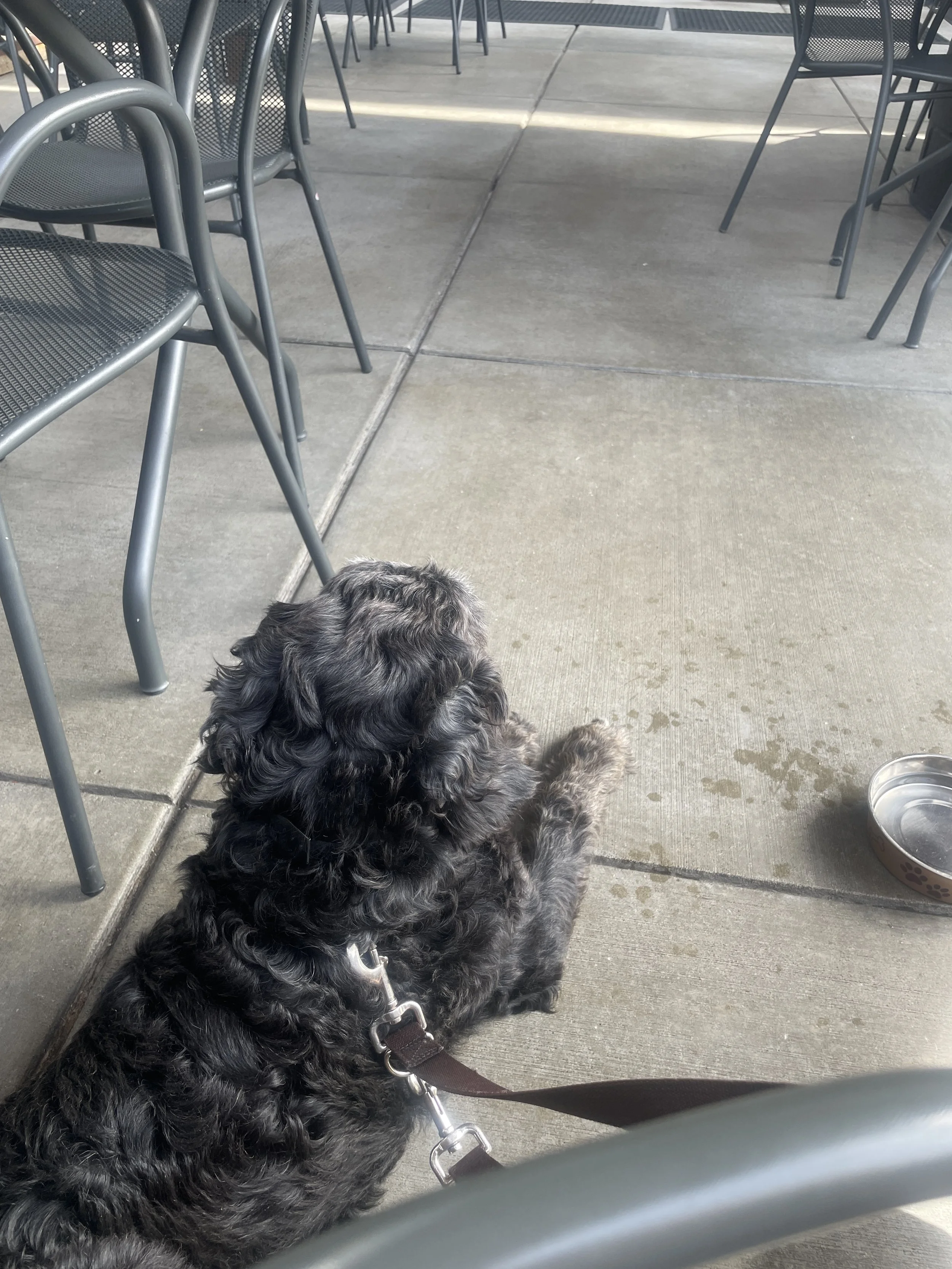
A well-trained dog doesn't need to be constantly busy or entertained. They shouldn’t need an endless supply of chews or puzzle toys at home.
They should be able to relax when nothing is happening instead of relentlessly pestering you for attention, pacing around the house, demanding interaction, or looking for something to do every second of the day.
Dogs need exercise, enrichment, interaction, and opportunities to engage in normal dog behaviors. But being fulfilled doesn't mean being constantly stimulated.
There should also be an off switch - both at home and out in public. If I take my dogs out to lunch on a restaurant patio, I like that they’ll just flop at my feet and chill out without needing prompted. They can read the room - all the humans are relaxed and doing nothing… I guess I’ll do the same.
Your dog should be able to settle down when it's time to settle down. And this should happen on its own. You shouldn’t need to crate your dog or put them on place for them to stop being annoying. That’s just management.
So What Does a Well-Trained Dog Actually Look Like?
A well-trained dog isn't necessarily the dog who knows the most tricks.
It's the dog you can actually live life with - easily.
You can take them places. You can walk them without being dragged around. You can handle them when necessary. You can trust them around people and dogs. You can give them freedom without constantly worrying about what they're going to do next. And when something important happens, they listen—even when they don't want to.
That's what good dog training should give you: more freedom, more trust, and more things you can actually do together in everyday life.
Ready for a Better-Trained Dog?
If you want a dog you can trust in the real world—not just one who performs commands in your living room—Good Dog Training can help.
I work with Spokane-area dog owners who want reliable behavior, real-world obedience, and the freedom to actually enjoy life with their dogs.