
Being able to take your dog off-leash and trust them to listen is one of the most rewarding parts of dog ownership. Imagine hiking and letting your dog run off into the brush to explore, trusting that when you call, they'll come straight back. No chasing, no repeated commands, and no wondering whether they'll take off after a deer or approach another dog.
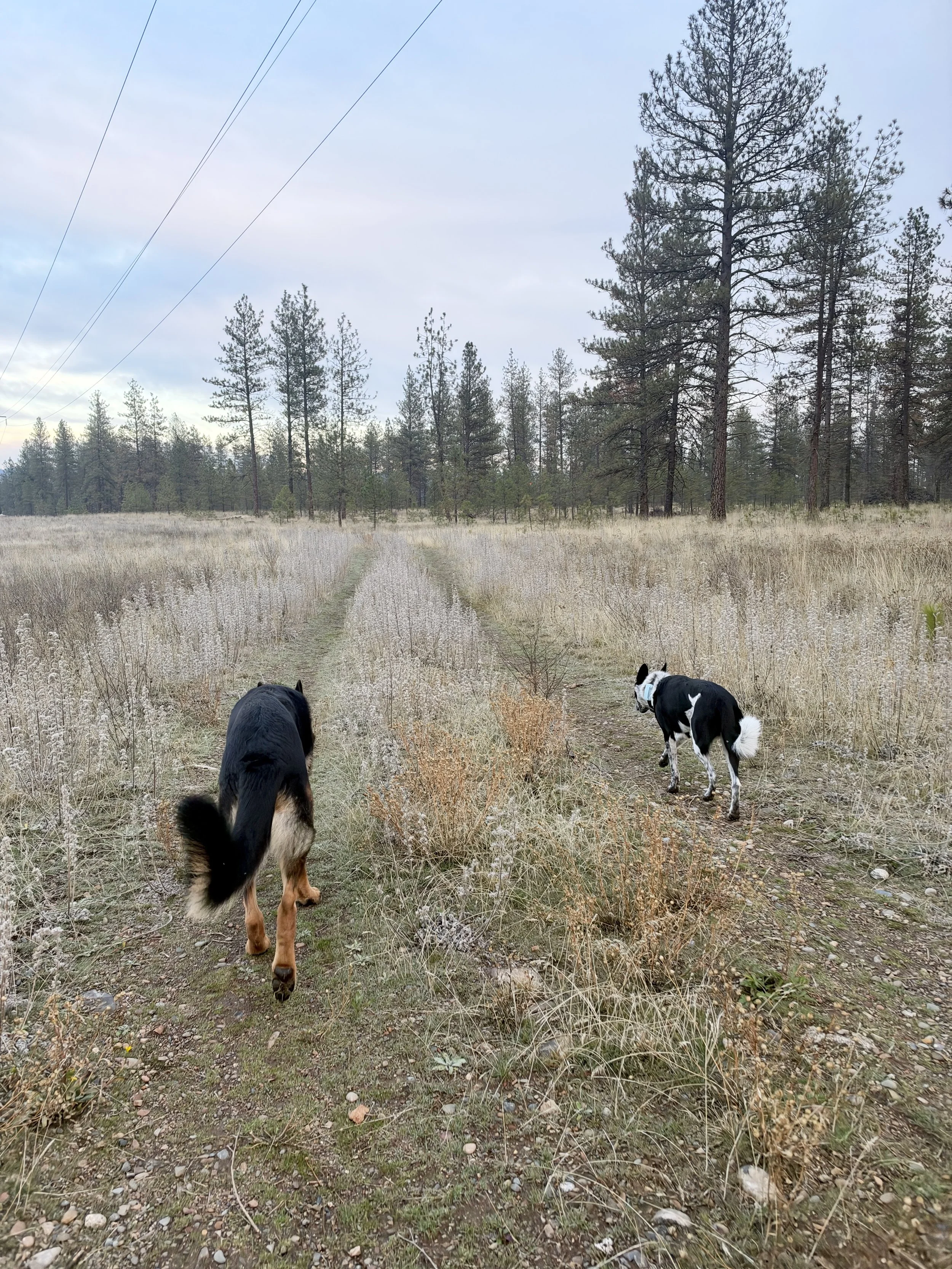
But reliable off-leash behavior doesn't happen just because you take the leash off. It requires a foundation of obedience, clear expectations, and practice around real-world distractions.
What Does It Mean to Be Reliable Off-Leash?
A reliable off-leash dog does more than come when called in a quiet backyard. They respond to their owner even when something more interesting is happening.
I expect an off-leash dog to:
Come when called, regardless of distractions.
Leave people and other dogs alone unless given permission to approach.
Not chase or approach deer and other wildlife.
Respond to obedience commands just as reliably as they do on a leash.
In other words, the rules don't change when the leash comes off. Your dog should have the freedom to explore and enjoy their surroundings while still being responsive to you.
A dog who usually comes isn't reliable. If they ignore you when they see another dog, a squirrel, or a deer, you don't have dependable recall. You have a dog who comes back when they feel like it.
Can Any Dog Learn to Be Reliable Off-Leash?
Breed, temperament, and behavior can influence the work involved, but yes, every dog can be reliable off leash.
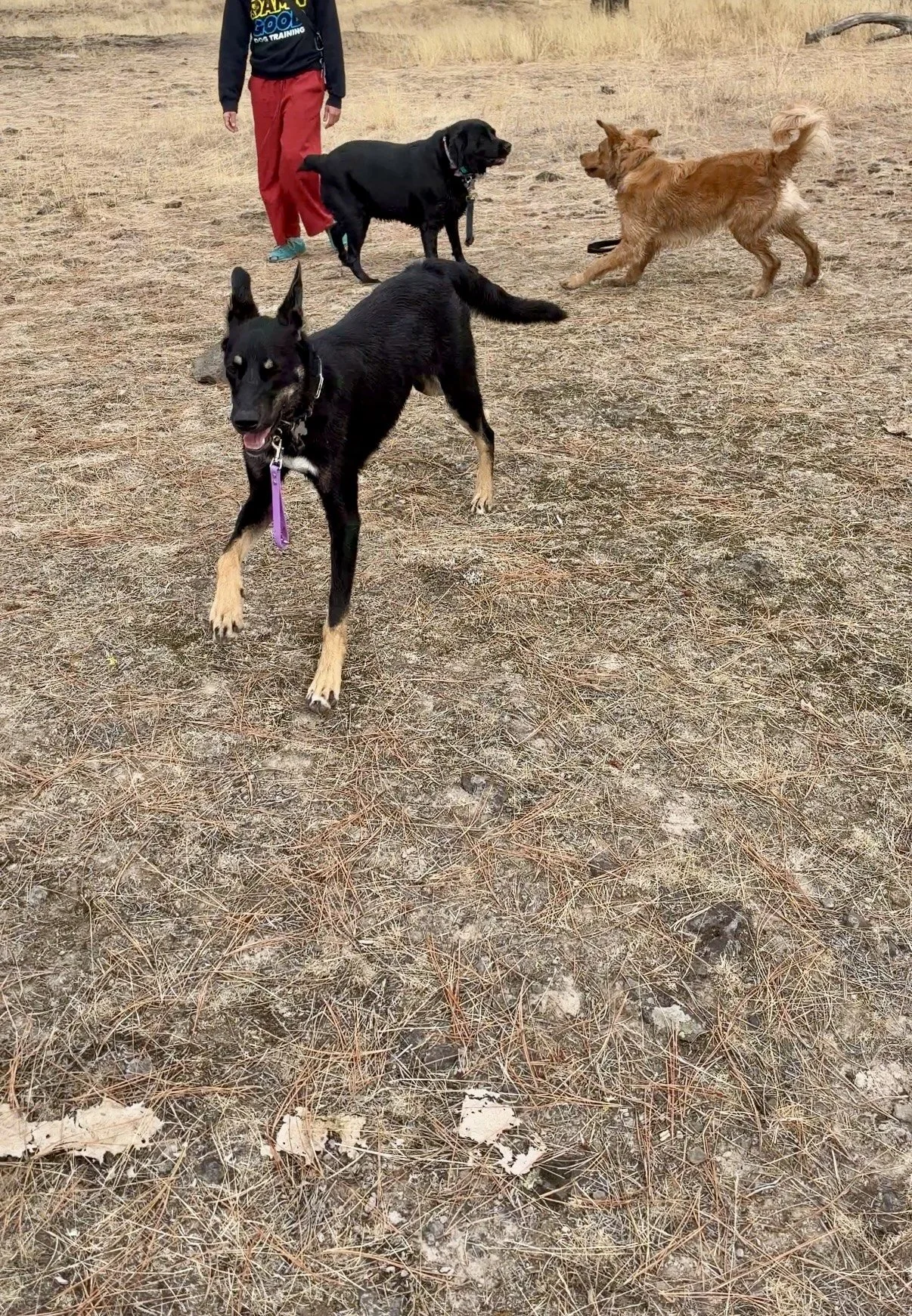
I regularly encounter owners who believe their dog could never be trusted off-leash. Sometimes it's because they have a breed known for independence, such as a husky. Other times, their dog is reactive, easily distracted, or just hasn't had much training.
A dog's current behavior isn't a reflection of what they're capable of learning.
I worked with a family who had recently adopted a German Shepherd. She barked at people and other dogs and had no obedience foundation. Her owners didn't think she'd ever be able to enjoy off-leash freedom.
Within four weeks, she was reliably coming when called and running through nature, playing with other dogs. As she began getting the freedom and fulfillment she needed, several of her other behavioral issues improved without even needing addressed.
The important thing isn't whether your dog is currently reliable. It's whether you're willing to build the skills and expectations that reliability requires.
How to Build Reliable Off-Leash Obedience
There are three essential parts to developing a reliable off-leash dog: teaching the commands, establishing compliance, and gradually increasing freedom.
1. Teach a Reliable Recall
Your dog first needs to understand what “come” means. They need to know exactly what you're asking and how to respond. And most owners, when asked, can’t really specify what they want their dog to do when they tell them to come. “Come to me,” is the usual answer. Okay, but what does ‘come to you’ mean? Come within 3 feet? Run past you? Run over, grab a treat, and take off?
That’s not good enough. When I tell my dog to come, what I expect is for them to come close enough I can grab the collar and then stay that close until released.
And knowing a command and complying with it are two different things. A dog might come when called in the backyard but ignore you when they're chasing something or playing with another dog. They might run to you, but dart away when you reach for their collar.
That's why recall needs to be clearly defined and then developed around increasingly challenging distractions. The expectation should be the same whether you're at home, on a trail, or somewhere with plenty of exciting things happening.
2. Establish Compliance With an E-Collar
I use an e-collar to establish reliable compliance, starting at a low level.
The dog learns how to respond to the stimulation and how to turn it off by following the command. The goal is for the dog to understand that they can avoid the stimulation altogether by simply coming when called.
This provides a way to communicate with your dog at a distance, including when they're distracted by something more interesting than you.
The objective is to teach clear communication and establish an expectation that “come” has to be listened to, and ignoring it will have a consequence.
3. Progress From a Flexi to a Long Line
I don't recommend taking a dog from a regular leash straight to being completely off-leash. I use a gradual progression:
Flexi leash: Give the dog more room to move while working on communication and recall.
Long line: Increase freedom while continuing to develop reliability around distractions.
Dropped long line: Allow the dog more independence while maintaining the ability to quickly step on or grab the leash.
Off-leash: Once the dog has demonstrated reliable responses, begin allowing appropriate off-leash freedom.
Each stage builds on the previous one. You should have confidence in your dog's responses before removing the physical connection entirely.
How Do You Know When Your Dog Is Ready?
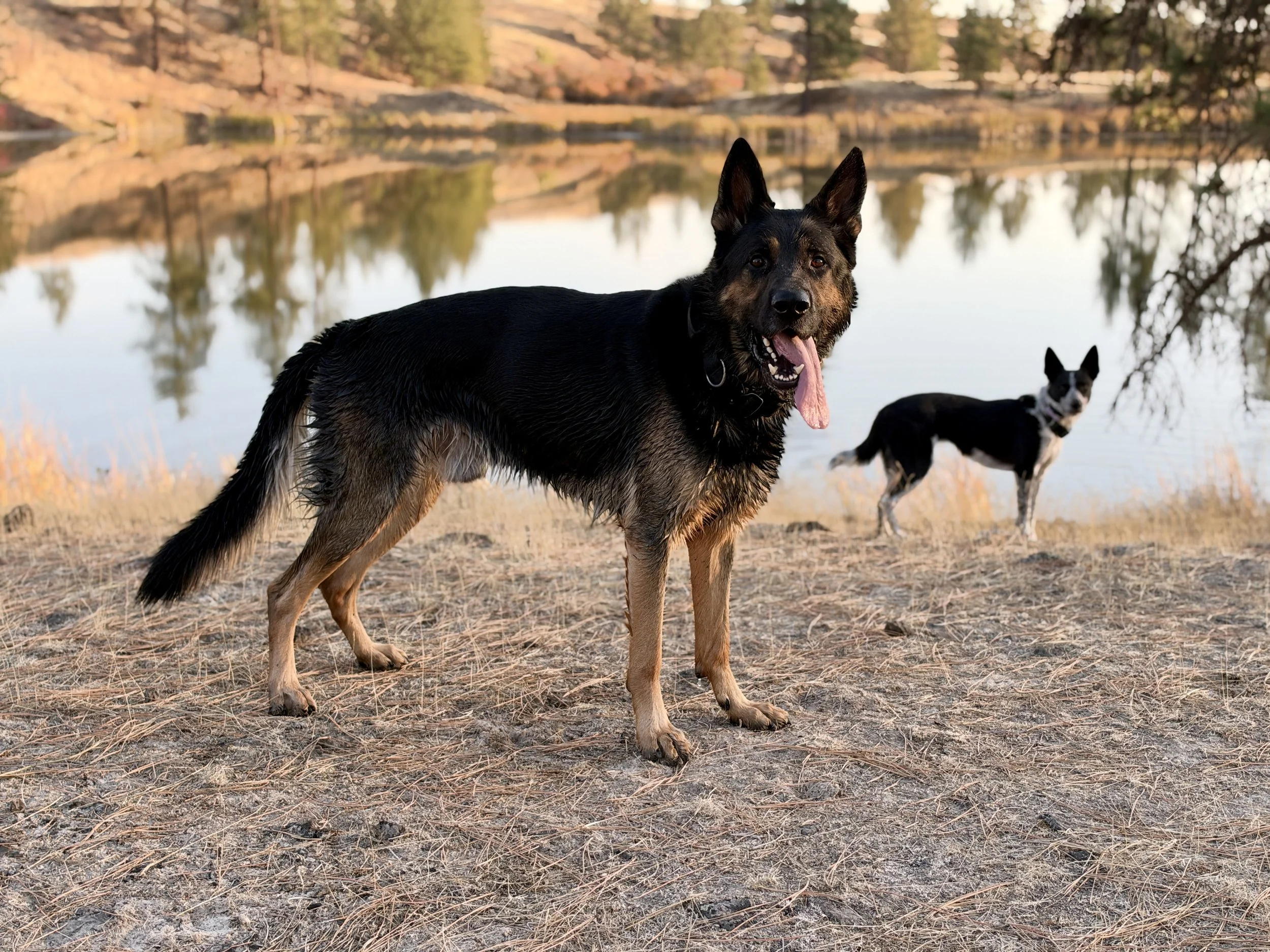
A dog isn't ready simply because they've successfully recalled a few times in a quiet environment.
Before trusting your dog off-leash, consider whether they can do the following on a long line:
Come immediately when called, even when distracted.
Respond around other dogs and people.
Disengage from things they want to chase or investigate.
Follow obedience commands at a distance.
Maintain those responses in unfamiliar environments.
Reliability needs to exist outside the training environment. If your dog only listens in your backyard, you haven't established real-world reliability yet.
It's also important to use good judgment. Your dog doesn’t need to run around off leash at a busy park where leashes are required.
Why Off-Leash Freedom Matters
“But dogs don’t need to be off leash!”
I believe freedom is one of the most important things you can give your dog.
Dogs are biologically wired to move, explore, interact with their environment, and run. A life spent entirely on a leash deprives them of opportunities to do those things, and that’s cruel.
Watch a dog run freely through nature. They can choose where to go, what to investigate, how fast to move, and when to run. The difference between that experience and being confined to the end of a short leash is enormous.
A fulfilled dog is often easier to live with and easier to train. And there's nothing quite like watching your dog enjoy that freedom and then come running back when you call.
Reliable Off-Leash Obedience in Spokane
If you want to take your dog hiking, camping, and on outdoor adventures, a recall can open up a lot of possibilities.
At Good Dog Training, I help Spokane-area dog owners develop dogs they can trust in real-world environments. My focus is practical obedience, reliable recall, and the freedom to do cool stuff together.
Your dog doesn't have to spend their entire life on a leash.