
Reactivity Is Fixable
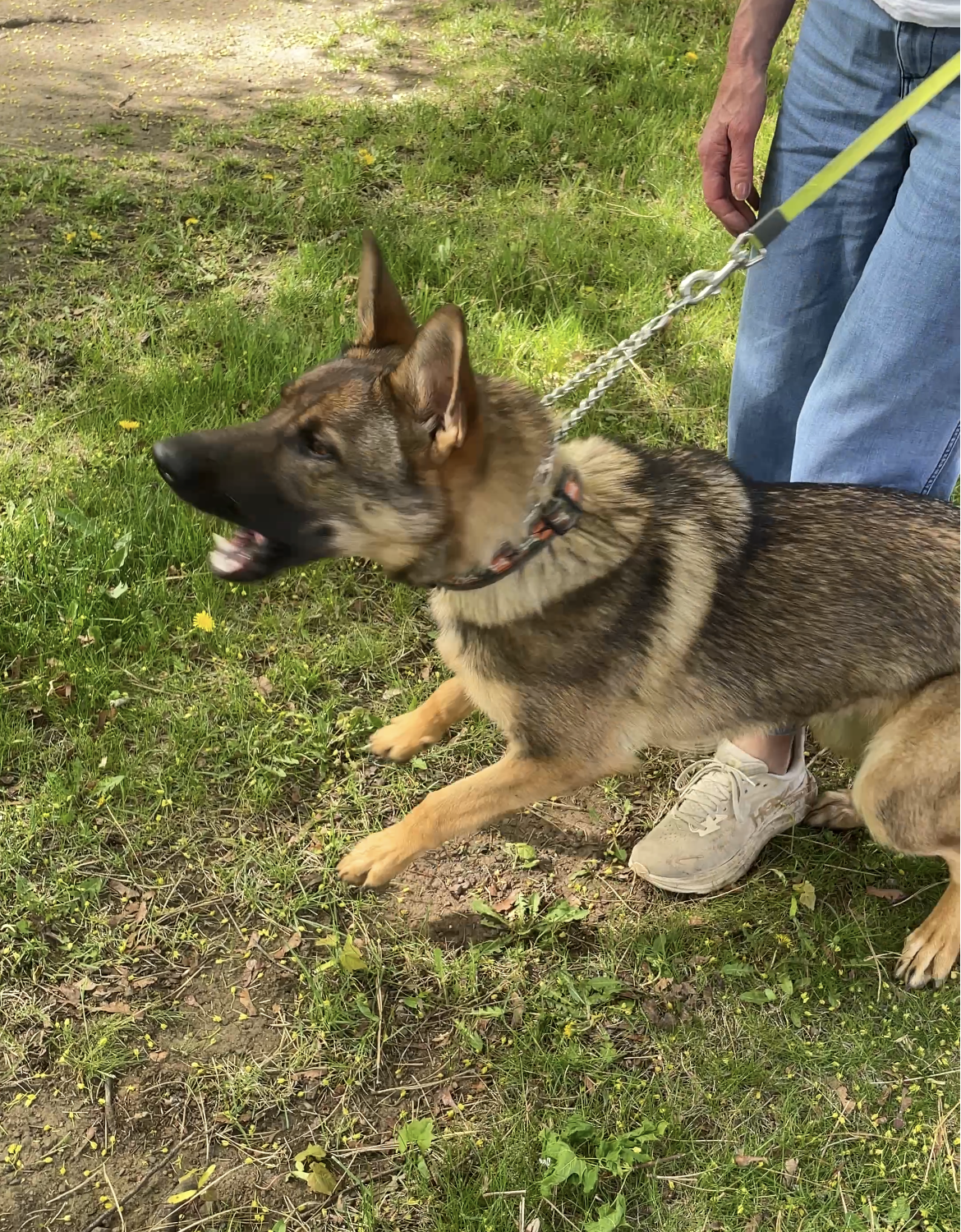
Skye, before training, barking and lunging at every dog she saw.
Reactivity is a Behavior, Not an Identity
Somewhere along the line, “reactive” became a personality type.
People talk about it like it’s baked into their dog’s DNA forever, a permanent trait set in stone.
It’s not.
Reactivity isn’t who your dog is. It’s a learned pattern that can be unlearned. Dogs aren’t born reactive. They become reactive because their environment, routines, genetics, and responses taught them to be.
If a dog barks, lunges, or explodes every time they see another dog, it’s not because they’re irreparably broken, dysfunctional, or crippled by anxiety. It’s because no one has made it clear to them that their behavior isn't appropriate.
Every time the dog rehearses that outburst, the brain gets better at it. The more it happens, the faster it happens, and the more satisfying that behavior becomes... until it’s hardwired.
And that’s why “managing it” forever doesn’t fix anything.
Some owners just really make it their entire identity to have a reactive dog. It’s all they talk about on social media. They brag about how much medication their dog is on, moan about the challenges without ever doing anything to fix it, join reactive dog support groups… which is as silly as joining a support group for a flat tire. Just fix it and move on. It’s not a big deal. It needn’t consume your entire life — unless you want it to because it makes you feel special and different to have a “hard” or “difficult” dog. Most of these dogs are actually quite easy to fix and get them off leash playing with new dog friends. But then the owner has lost their identity. Now they’re just a normal person with a normal dog.
The Isolation Spiral
Reactivity doesn’t just change your dog’s behavior; it changes yours, too.
It starts small. You stop walking at busy times, cross the street to avoid dogs, and then just skip walks altogether.
Pretty soon, both you and your dog are living in a bubble.
Your dog gets less exercise, less exposure, and fewer chances to learn how to cope, which makes the problem worse.
And then the story starts to feel permanent: “He’s just reactive, this is just the way he is,” but it doesn’t have to be a self-fulfilling prophecy.
The less a dog experiences the world, the harder it becomes for them to handle it.
The less they can handle it, the more you avoid it.
You can’t improve a dog’s reactions by shrinking their world.
Why ‘Just Avoid It’ Doesn’t Work
Management masquerading as training is everywhere right now in the force-free community.
“Stay under threshold.”
“Just avoid walks and other dogs.”
“Find a quiet route without other dogs.”
That might keep the peace for the moment, but it doesn’t create change. If your dog only looks calm because they never see triggers, they’re not trained and you’re seeing stagnation and avoidance, not progress.
Real progress means your dog can handle life as it is, not just life with all the hard parts removed.
Training That Changes Behavior
The fix isn’t endless redirection or another high-value treat. It’s structured, consistent training that actually teaches your dog how to exist in the world.
That means:
Clear expectations on walks
Accountability when they make the wrong choice
Exposure at a level that builds real-world stability
Learning how to appropriately interact with other dogs (not just avoiding them)
When that’s done correctly, the reactivity disappears and you have a normal dog again.
The Bottom Line
Your dog does not have to stay reactive forever. It’s not your dog’s identity, and being a reactive dog owner isn’t yours.
If you’re tired of stressing over every walk, stop accepting reactivity as a lifelong problem. It’s not. It’s a solvable problem.
And once you start treating it that way, everything changes. Too many force-free trainers will have you believing that reactivity is a life sentence that requires anxiety medication and lifelong avoidance of other dogs and distracting with treats when you happen to encounter one. With the right training and socialization, it's 100% fixable.
A Case Study
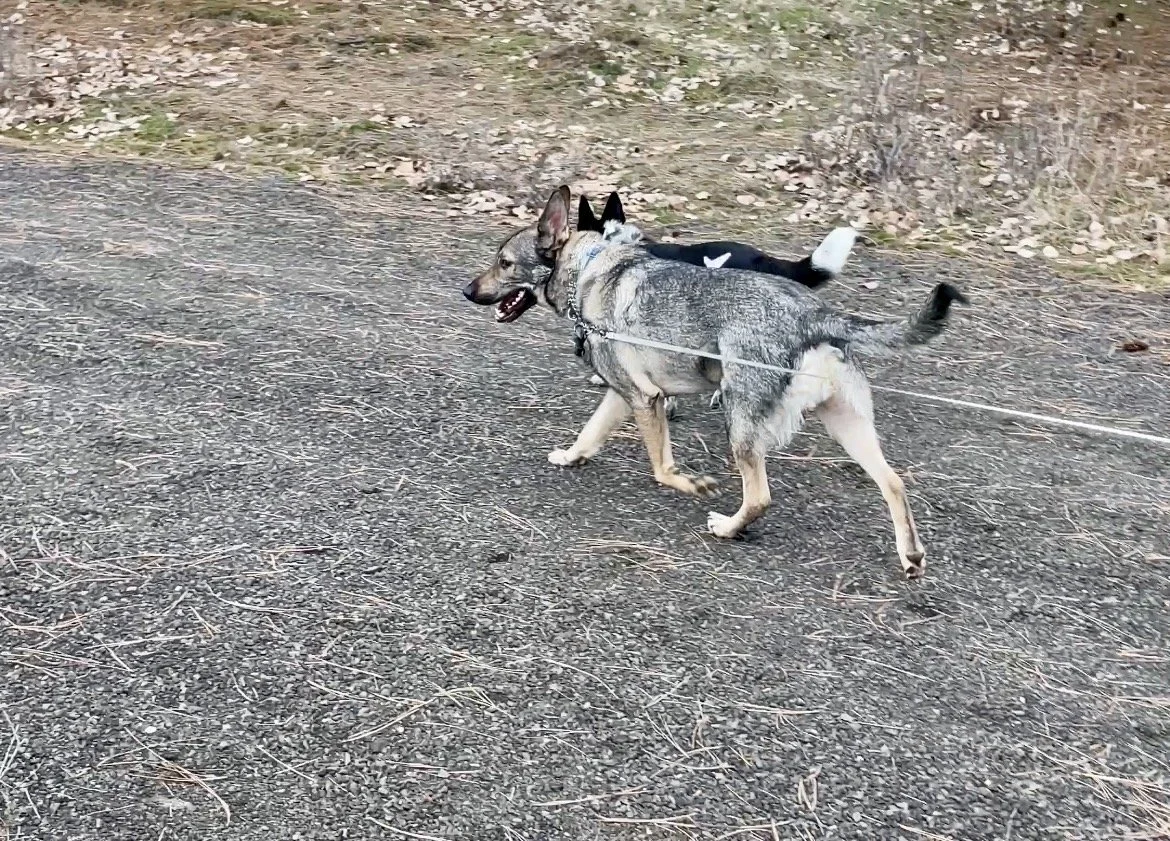
“I just never thought it was possible,” Sara told me. “I never thought Cody could get over his reactivity.” As she said this, Cody ran off leash with my dog, behaving himself nicely. Sara had worked with multiple trainers who had done the usual routine of throwing treats every time a dog appears, working hard to keep him under threshold (at a huge distance), but they never made progress. After years of struggling, she reached out to me, out of hope and sure she was just wasting more money. But within a few sessions the reactivity was gone. Then we started letting him play with other dogs and building his recall so he could be off leash. He is now a normal dog, has dog friends, and the reactivity is firmly in the past.
Reactivity is not a life sentence.
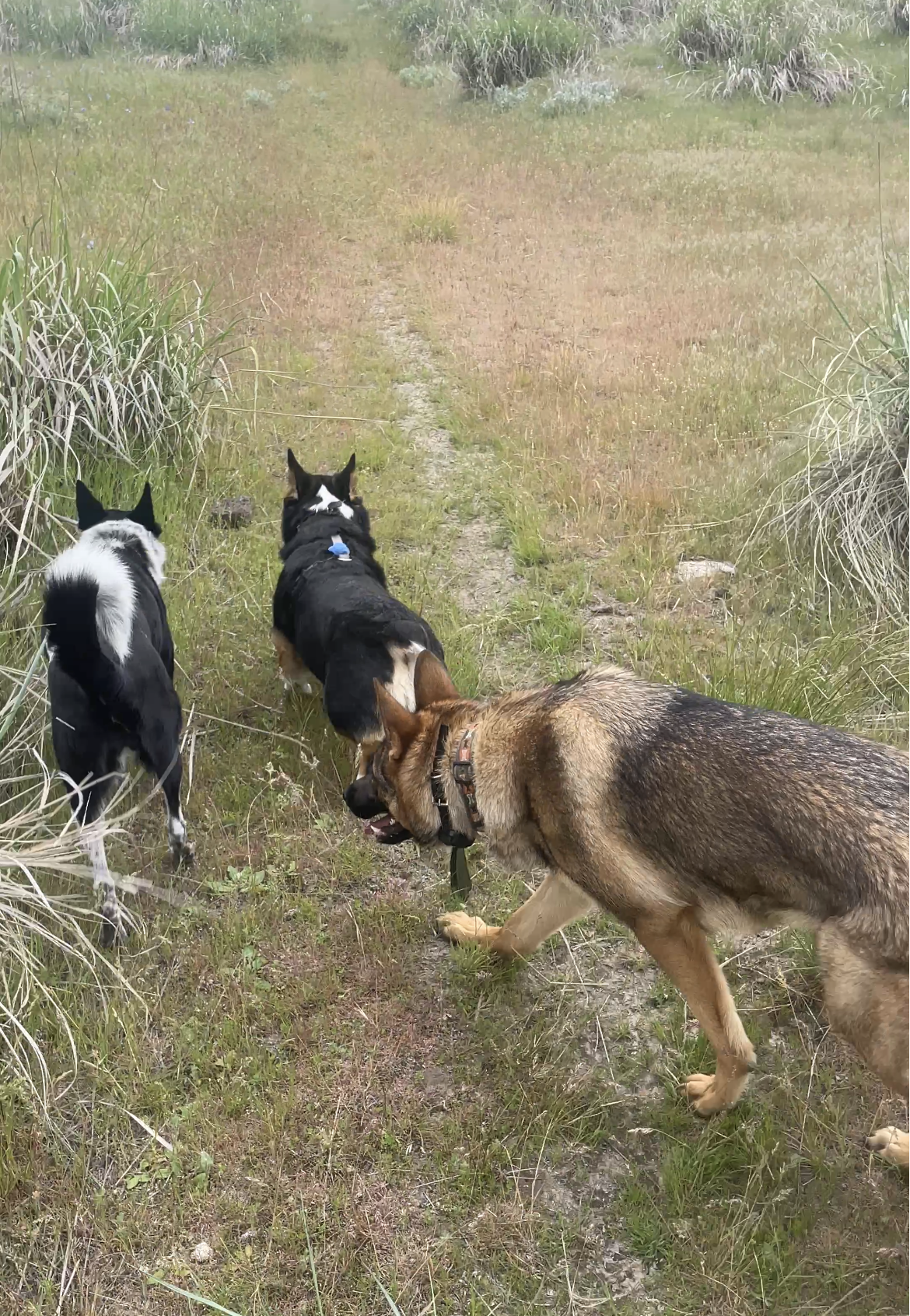
Skye, after training, off leash and hiking with new friends.
How I Resolve Reactivity
Build authority through play and/or obedience.
Get off-leash control with a solid e-collar trained recall. (This also provides fulfillment)
Stop reactivity.
Start socializing them and teaching them how to behave appropriately around other dogs. (This is a critical step that most trainers miss.)
If You’re In Spokane
And want help fixing your reactive dog, let’s work together. I offer Private Training and Homeschool for reactive dogs.